Nathan Belcher, Ed.D. — The Learning Engine
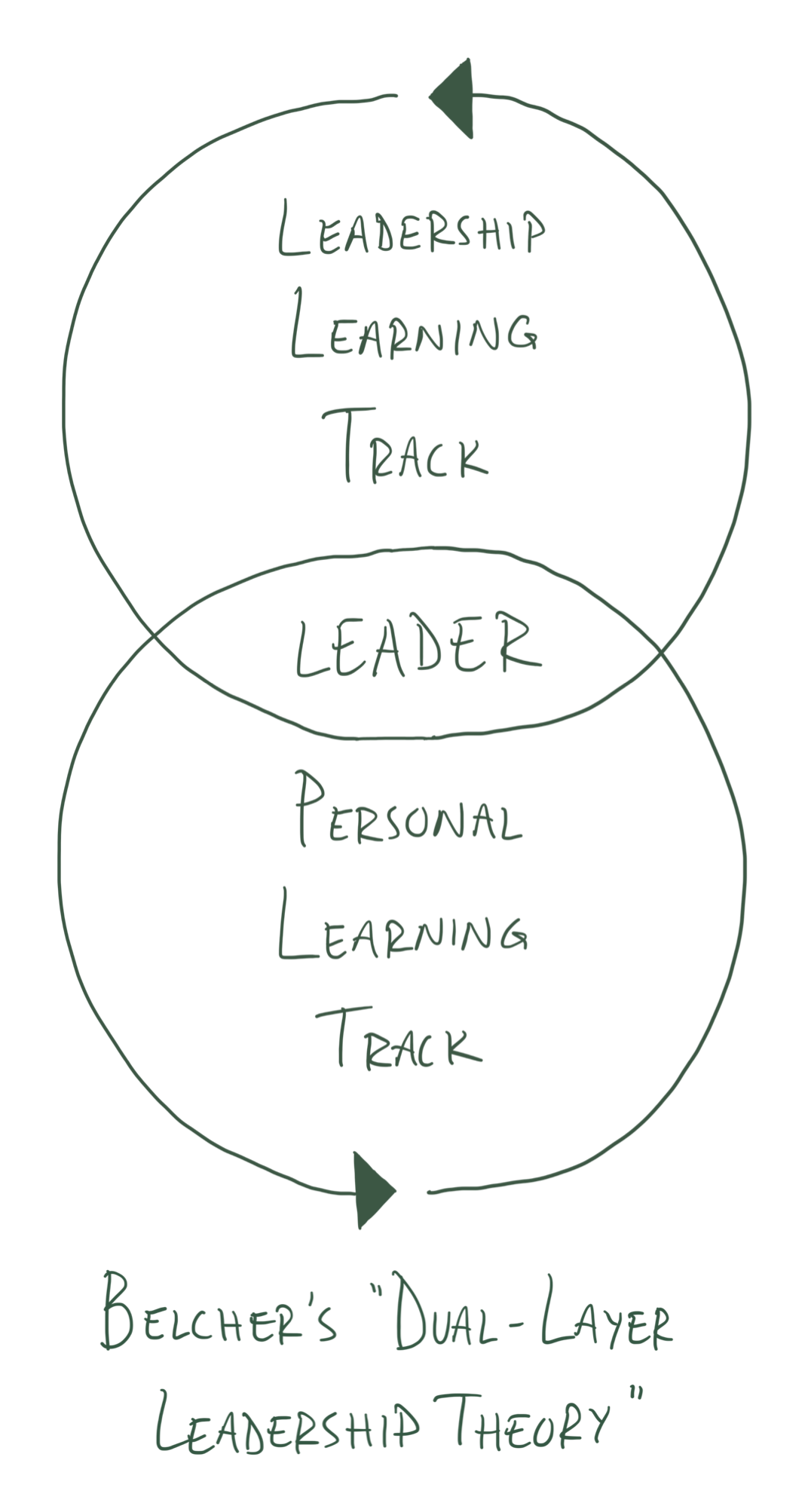
Leaders invest deeply in developing their people. Training runs and coaching sessions stack up — but the gap between the investment and performance still remains. The reason for the gap is structural: The development work needs a place to attach. By building a learning system — for themselves and for their people — leaders turn steady investment into compounding performance.
Diagnostic Tool
Leaders who close the gap between investment in training and compounding performance share one ability: They can name exactly where the breakdown occurs. Most leaders work hard at developing their people and still watch the gap persist — because without a precise location, the fix addresses symptoms rather than structure.
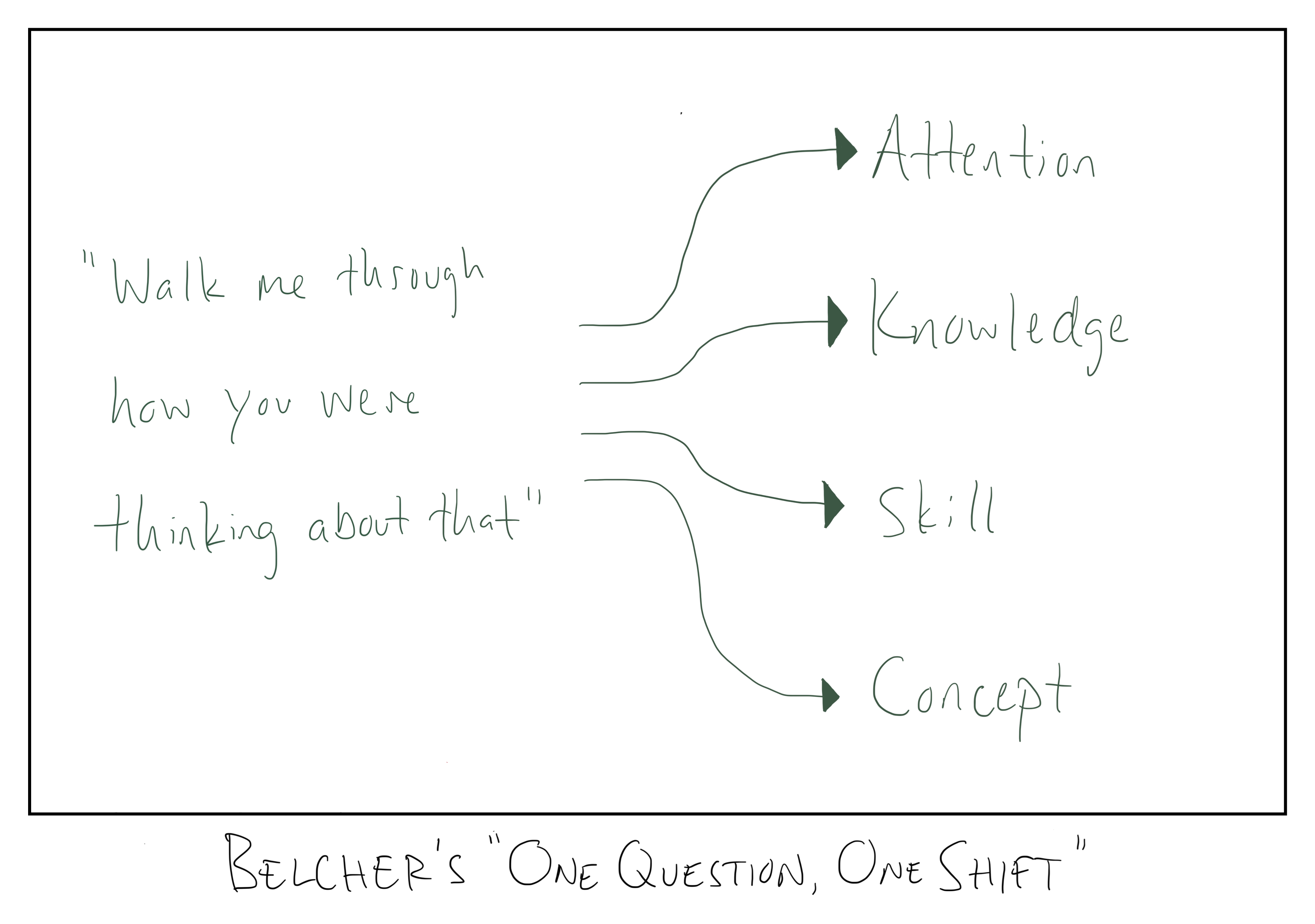
The Learning Breakdown Diagnostic takes ten minutes; the output is a specific map of where your learning system has room to grow. The map is organized around four breakdown types — Attention, Knowledge, Skill, and Concept. Those types are assessed at two levels: Your own learning system and your team's learning system. Leaders who understand the location can address the structure, finally building in the right place.
Consulting Services
For teachers, instructional coaches, assistant principals, principals, superintendents, and curriculum directors — all working to build the conditions where teacher growth compounds into student performance.
For coaches and athletic directors building programs where the system — not just the talent — produces consistent performance under pressure.
For managers through C-suite and L&D professionals responsible for building capability — the people who need training to produce durable performance.
Every engagement begins by locating the exact breakdown in the learning system — personal, team, or both.
The structure gets built around the specific gap — designed for the context, not dropped into it from somewhere else.
Leaders leave with a system they can run — and a diagnostic habit that keeps the system improving over time.
Learning System for Students — 9th Grade Edition
Ninth grade is the moment to build that foundation — before the habits that will shape the next four years have fully formed.
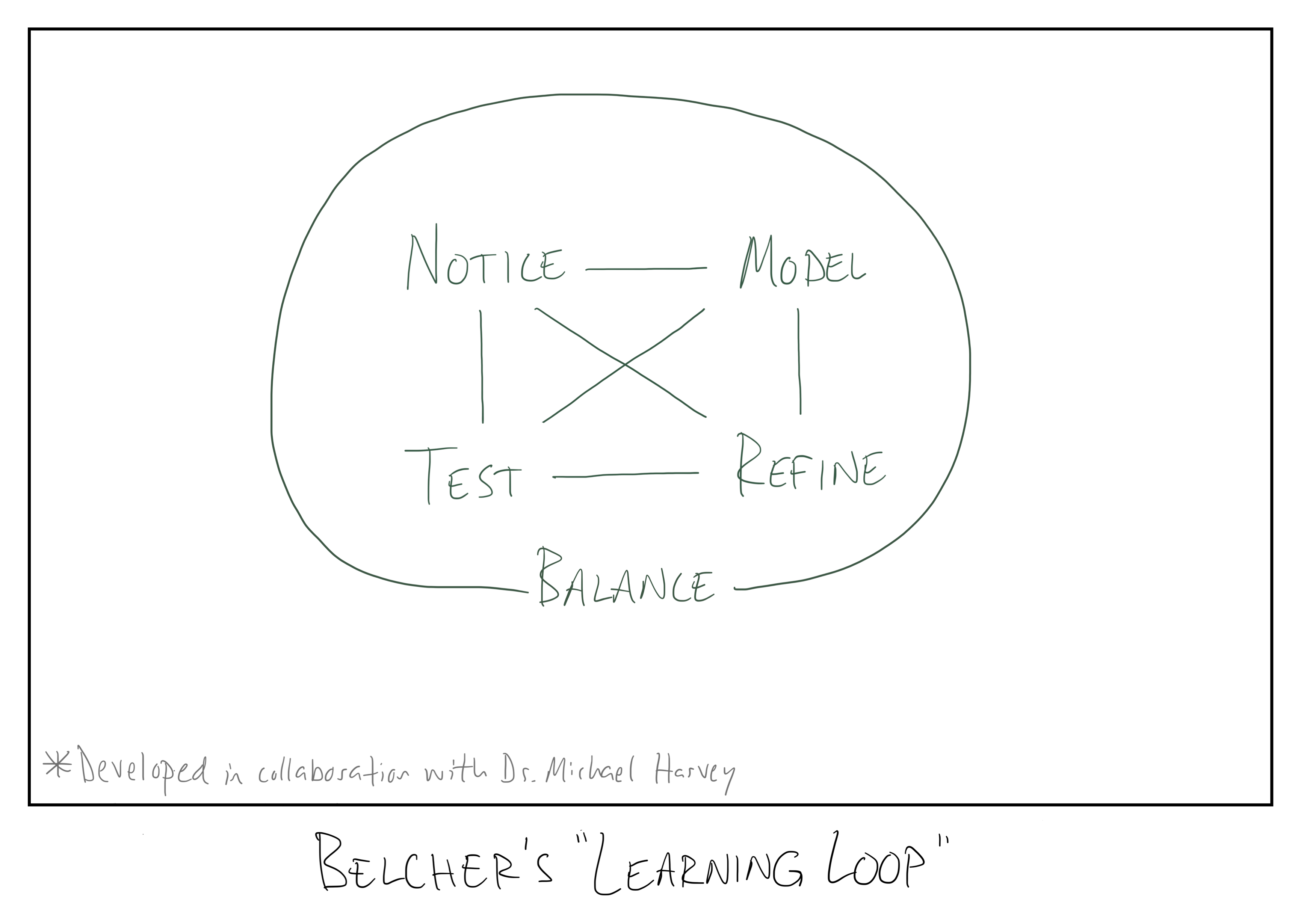
The Learning System for Students, Ninth Grade Edition is nine 15-minute video lessons built around the Learning Loop — Notice, Model, Test, Refine, Balance. Each lesson takes one part of the Loop apart, shows students how the Loop operates in their actual academic lives, and reassembles the picture. By Lesson 9, every student owns a personal diagnostic — a way to identify exactly where their learning is breaking down and what to do next. Beyond distributing the workbook, the teacher's role throughout is to press play.
Pilot partners receive the full course — nine videos, student workbook, and teacher-facing guide — at no cost in exchange for feedback. The course targets school and district adoption for the 2026–2027 school year.
Nine 15-minute video lessons. Student workbook. Teacher-facing guide. Zero additional preparation required.
The Learning Loop — Notice, Model, Test, Refine, Balance — built from the same cognitive science that drives expertise in every domain.
By Lesson 9, every student carries eight personal diagnostic tools — instruments for monitoring their own learning, not worksheets to file away.
Pilot partnerships open now. School and district adoption targets the 2026–2027 school year.
The Framework
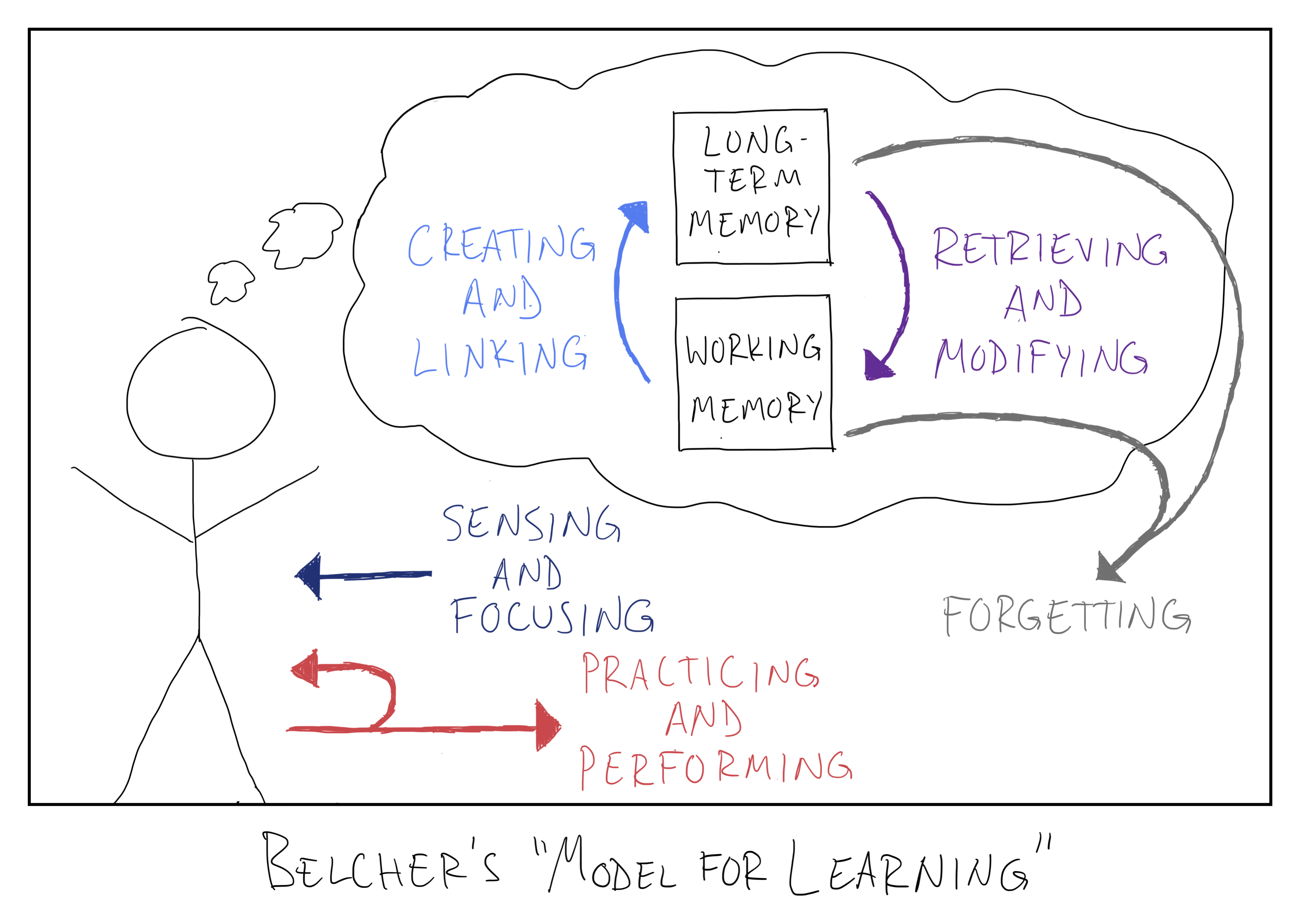
Belcher's Model for Learning is the architecture — a conceptual model that maps how human performance develops, drawn from physics, cognitive science, and fifteen years of applied practice across education, athletics, and business. The model gives practitioners a stable structure for understanding why the approach works.
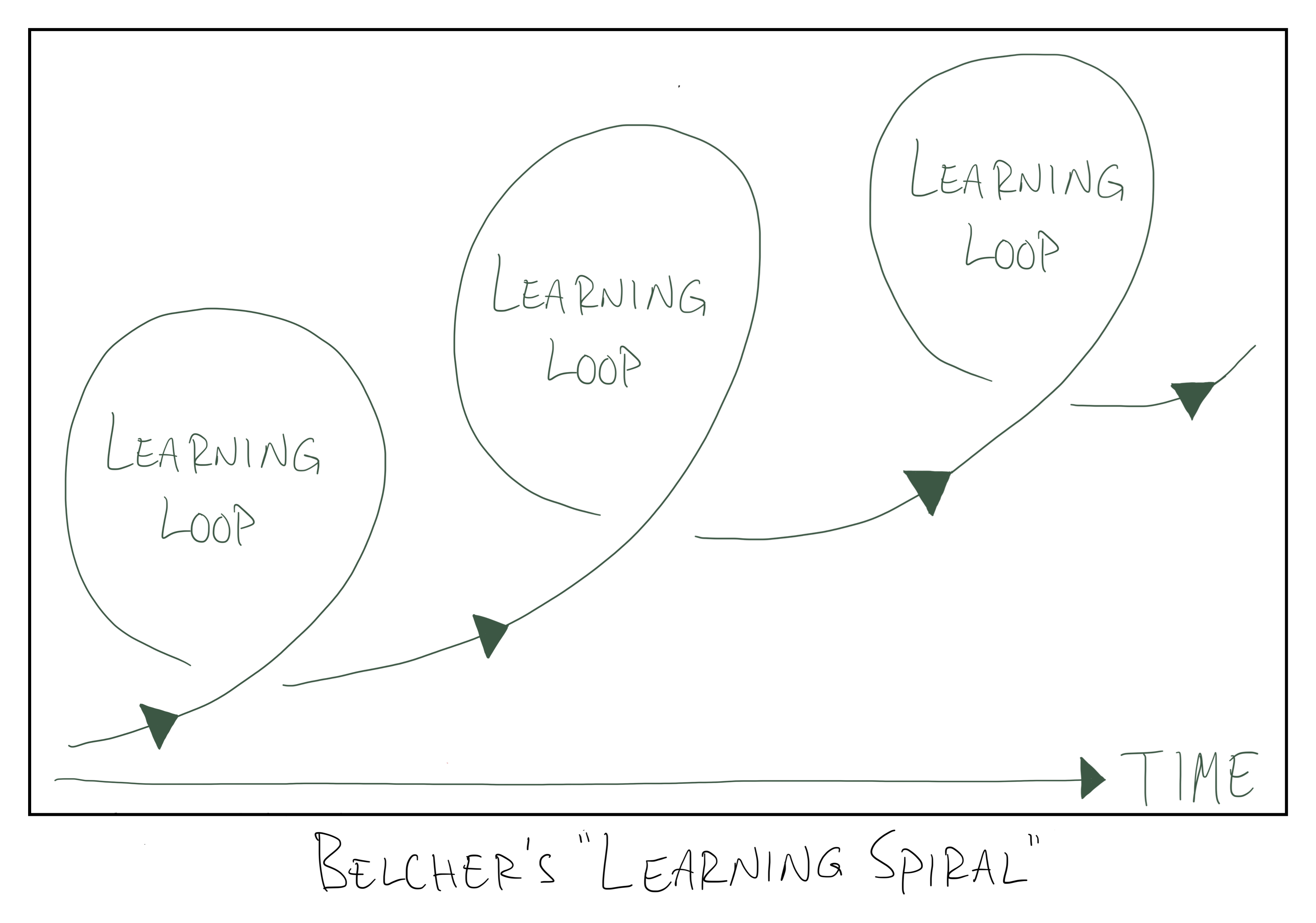
The Learning Loop — Notice, Model, Test, Refine, Balance — is the practitioner tool built on that architecture. The Loop is what a student, athlete, or leader actually does: A repeating cycle that builds the kind of fluency no single training event can produce. The architecture explains the mechanism; the Loop gives the mechanism motion.
About
Nathan Belcher, Ed.D. has spent twenty years on one question: How does effort become mastery?
The answer, across every domain and every age group, pointed to the same place: A system. Learners who plateau are doing the work without the system that makes the work stick; learners who compound their knowledge and skills have a learning system.
Nathan holds a doctorate in Curriculum and Instruction from the University of South Carolina and two degrees from the College of William & Mary: A Master of Arts in Curriculum and Instruction and a Bachelor of Science in Physics.
Fifteen years of teaching — including six years at Singapore American School — turned a deep research base into an actionable set of frameworks for practitioners. Nathan's consulting practice now works with leaders in business, athletics, and education who are ready to build the learning system underneath their development work.